The Living Pantry: Farmsteads and Wild Foraging of Oaxacan Highlands
Examining the intricate relationship between cloud forest botanicals, indigenous heirloom maize, and slow culinary devotion.
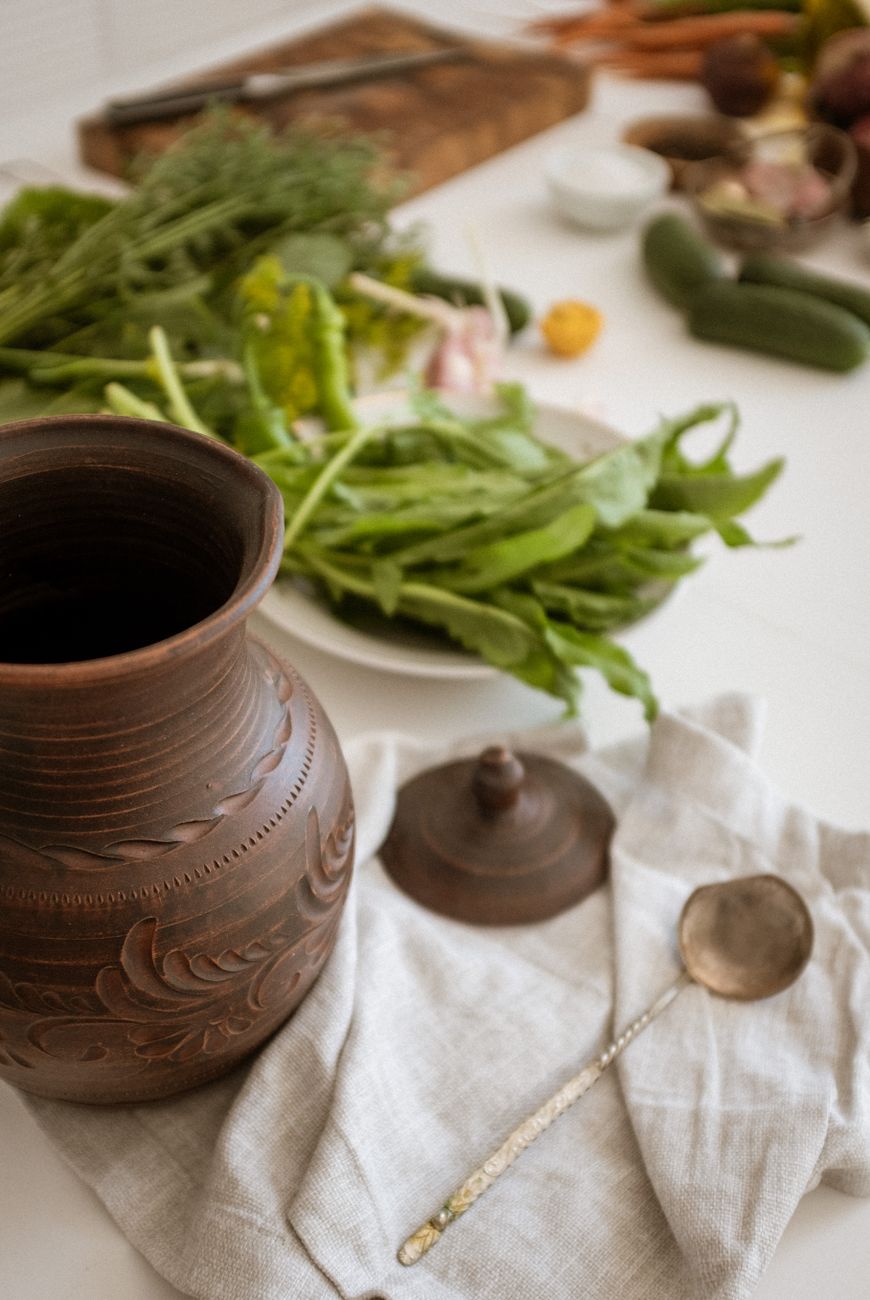
High in the Sierra Norte mountains of Oaxaca, mornings announce themselves with the intoxicating aroma of toasted chiles and burning oak wood. Here, within cloud-veiled hamlets perched on steep slopes, gastronomy is inextricably bound to collective agrarian stewardship known locally as the milpa system.
The Geometry of the Milpa
Far from industrial mono-cropping, the ancestral milpa creates a symbiotic ecosystem where maize, climbing beans, squash, and wild herbs nourish one another. The stalks of heritage criollo corn provide physical scaffolding for the legumes, while the broad leaves of the squash shelter the fertile soil from intense tropical evaporation.
“To understand our food, one must first touch the volcanic black earth of the hillside. We do not invent flavors in the kitchen; we merely reveal the health of the mountain.”
The Alchemical Patience of the Mole
True Oaxacan mole cannot be rushed. In the kitchens of communal cooks, more than thirty components—charred chiles pasilla, dried plantain, cacao nibs, wild avocado leaves, allspice, and toasted sesame—are ground by hand upon volcanic basalt metates. The mixture simmers slowly in unglazed clay cazuelas, developing layers of complexity over several days.
- Nixtamalization: The ancient alkaline preparation that transforms field corn into deeply nutritious, fragrant masa dough.
- Wild botanical foraging: Gathering herbs like chepil, hierba santa, and pitiona that exist exclusively within specific elevation microclimates.
- Clay and smoke: Cooking exclusively with local earthenware imparts an earthy nuance that stainless steel cookware cannot replicate.
By sitting at these village tables and listening to the stories of elder cooks, one learns that mindful eating is the most intimate form of cultural preservation an outsider can honor.